

Rita Tamašunienė in Luxembourg: Lithuania is seeking a stronger Eurojust and greater protection for civil society
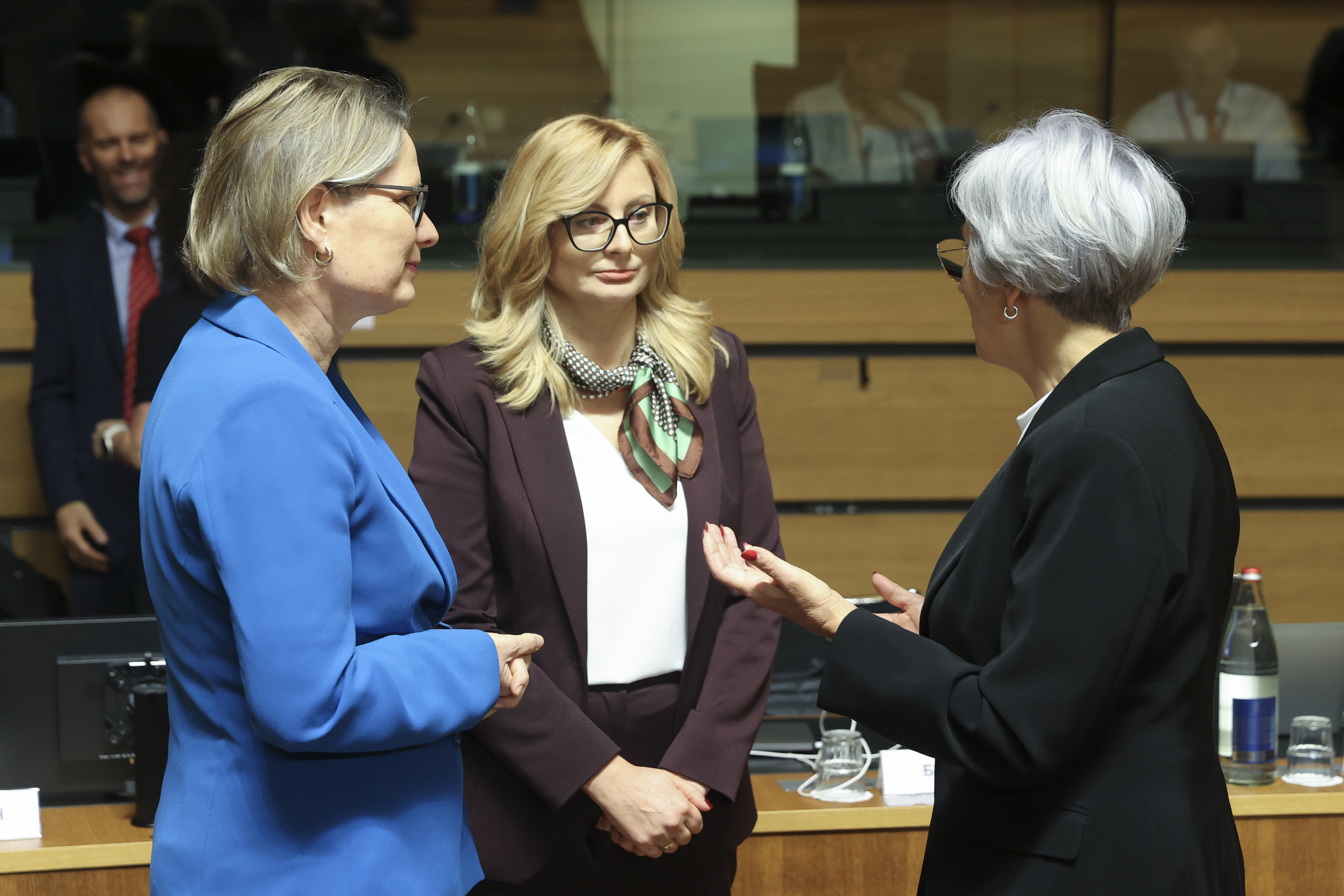
Strengthening Eurojust, ensuring accountability for Russia’s crimes in Ukraine, and providing better protection for journalists and civil society – these issues are on the agenda of the European Union (EU) Justice and Home Affairs Council meeting in Luxembourg. Lithuania is calling not only for new decisions to be adopted, but also for existing measures to be effectively implemented.
More powers for Eurojust, but with clear limits
One of the key items on the ministers’ agenda was the review of the Eurojust Regulation. Discussions centred on how to strengthen the agency’s capacity to assist Member States in investigating cross-border and organised crime.
Lithuania supports a stronger Eurojust, but emphasises that decisions on the initiation of investigations, their direction, procedural steps and criminal prosecution must remain the responsibility of national authorities. In Lithuania’s view, Eurojust’s role must remain one of coordination, and cooperation must be based on high standards of data protection.
“We see the value of Eurojust first and foremost in its concrete results – its ability to help Member States investigate cross-border crime more effectively and ensure that criminals cannot exploit national borders. As we strengthen Eurojust, we must together maintain the procedural autonomy of national authorities and a clear division of responsibilities,” says Minister of Justice Rita Tamašunienė.
Lithuania: Justice for Ukraine cannot be delayed
The ministers also discussed how to ensure accountability for international crimes committed during Russia’s aggression against Ukraine.
Lithuania calls for maintaining the momentum in establishing a Special Tribunal on the crime of aggression against Ukraine and for completing the procedures necessary to launch it. At the same time, states are urged to ratify the Convention establishing the International Commission for the Examination of Claims relating to Ukraine, and it is essential to ensure adequate funding for international accountability initiatives.
Particular attention is also being paid to Ukrainian children who have been unlawfully taken to Russia and Belarus – they must be returned to their families, and those responsible for these actions must be held to account.
“Justice for Ukraine cannot be delayed. We must maintain the momentum in establishing the Special Tribunal on the Crime of Aggression and ensure that Russia is held to account for the international crimes it has committed. It is equally important to ensure that Ukrainian children who have been unlawfully removed are returned to their families. We must do everything in our power to ensure that the most serious international crimes do not go unpunished,” says R. Tamašunienė.
Protecting journalists – not only from threats, but also from the abuse of the courts
The Council devoted considerable attention to the protection of civil society and journalists. Lithuania emphasises that a free media and an active civil society are among the most important elements of a resilient democracy.
In Lithuania, the EU Anti-SLAPP Directive applies to both cross-border and domestic cases. State-guaranteed legal aid is provided to individuals facing abusive lawsuits.
Greater attention is also being paid to the openness of the courts. The public may attend public court hearings and also follow hearings organised via video conferencing remotely. This year, the courts have also taken the initiative to provide the media with more information about cases under consideration.
“Democracy cannot be resilient without a free press and an active civil society. It is therefore important not only to adopt protective measures, but also to ensure that they work in practice. In Lithuania, we are already strengthening protection against abusive litigation and wish to share this experience with other European Union Member States,” says R. Tamašunienė.
The fight against racism is extending into the digital sphere
Ministers also discussed the fight against racism, anti-Semitism, hatred and discrimination.
Ms Tamašunienė emphasised that the fight against these phenomena must remain a priority for the EU. Attention was also drawn to foreign information manipulation, interference and disinformation campaigns, which may exploit social divisions and the issue of discrimination.
Lithuania proposes that greater attention be paid to technological solutions, including artificial intelligence, which would help to identify racist and discriminatory content more quickly, as well as coordinated attempts to manipulate the information space. At the same time, freedom of expression and the protection of personal data must be ensured.
“The fight against racism and hatred must go beyond political declarations. It is particularly important to be able to identify, in a timely manner, content that incites hatred and coordinated manipulation campaigns in the digital sphere. Technology can be a valuable aid here, but its use must be in line with standards on freedom of expression and the protection of personal data,” says Minister for Justice Rita Tamašunienė.
Lithuania intends to actively raise these issues during its Presidency of the Council of the EU in the first half of 2027.