

Rita Tamašunienė: priorities on the agenda of the EU Ministers of Justice – ensuring the rights of children and the retention of electronic communications data
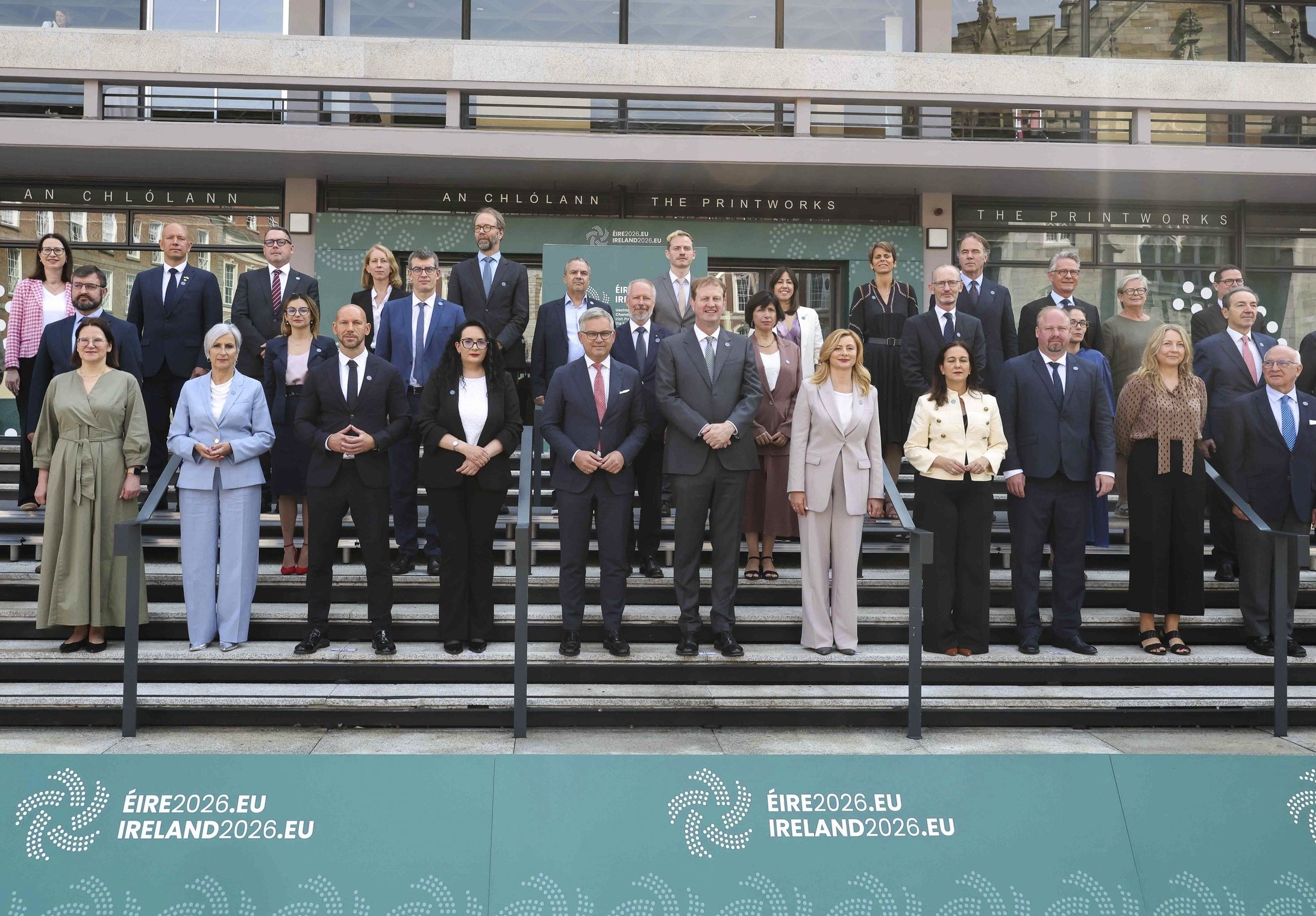
Minister of Justice Rita Tamašunienė took part in an informal meeting of the Ministers of Justice of the European Union in Dublin on 16–17 July. The main topics of the meeting were the safeguarding of the rights of children and the future of legal regulation of the retention of electronic communications data in the EU.
“Every child has the right to be heard and the State has an obligation to ensure that this right is effectively implemented. When making decisions, we must not only listen to the voice of children but also create conditions for their voices to have real significance. This is one of the most important principles of the protection of the interests of children,” said Minister of Justice Rita Tamašunienė.
Discussions within the Council are based on the United Nations Convention on the Rights of the Child, the EU Strategy on the Rights of the Child and other international instruments, which underline that every child has the right to given a voice on all matters affecting them and that their views must be given due weight.
The national legal framework of Lithuania in this area is already in line with international standards. A child’s right to be heard is enshrined in the Law on Fundamentals of Protection of the Rights of the Child, the Civil Code and the Code of Civil Procedure, it is also guaranteed in mediation proceedings and through the implementation of European Union law.
“In Lithuania, we have a solid legal foundation for protecting the rights of children. We must continue focusing our efforts on ensuring that these rights work in everyday practice – this requires competent specialists, a child-friendly environment, and close cooperation among authorities. Only in this way can we ensure that every child is not only given a voice, but is also truly heard,” the Minister noted.
During the informal Council meeting, the Ministers also discussed the future of the legal regulation on the retention of electronic communications data in the European Union.
Decisions in this area must be based on a clear impact assessment, transparent communication and facts. Emphasis was also placed on the necessity to explain to the public why it is important for law enforcement to get the data necessary for criminal investigations in time, while ensuring a high level of privacy and personal data protection.
“Europe needs clear and unified legal regulations that would help combat serious crimes more effectively while preserving the fundamental human rights. Only a balanced solution, based on a dialogue with Member States, law enforcement agencies and service providers, can ensure both public safety and trust in the legal system,” said Ms Tamašunienė.
Lithuania consistently supports the creation of a common legislative instrument of the European Union that would ensure greater legal certainty, consistency and more effective cross-border cooperation among law enforcement agencies. At the same time, it is emphasised that the new regulations must strike a balance between the effective investigation of serious crimes and a high level of protection for fundamental rights, particularly the right to privacy and the protection of personal data. Lithuania’s position is that common minimum rules for data retention, access and security should be established at the European Union level, while leaving sufficient flexibility for Member States to take into account the specifics of their national legal systems.
Last updated: 22-07-2026