

The Minister of Justice R. Tamašunienė: the January Uprising – a Significant Symbol of the Struggle against Imperialism and the Pursuit of Independence
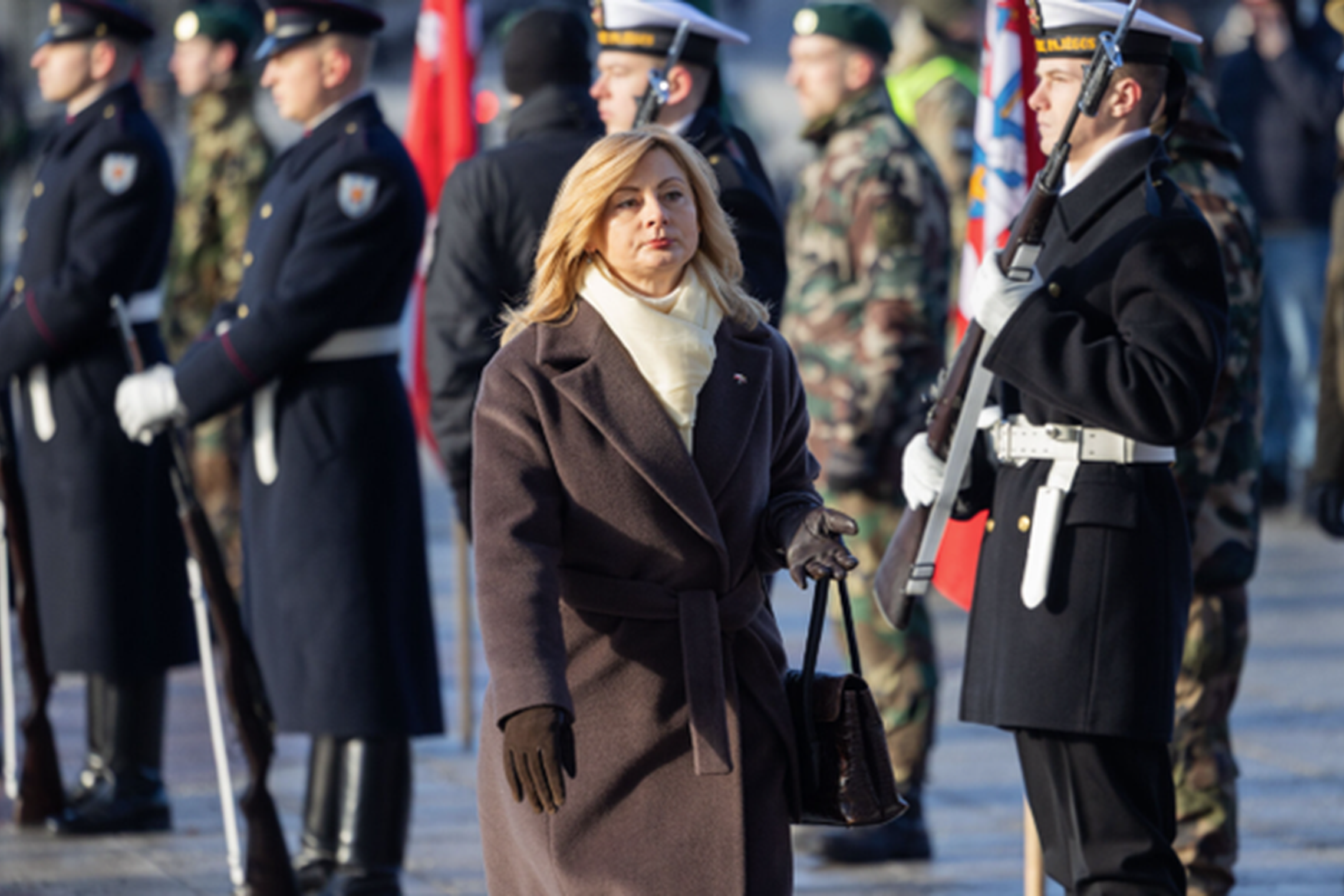
In commemoration of the 163rd anniversary of the January Uprising of 1863-1864, a solemn ceremony was held in the Cathedral Basilica of St Stanislaus and St Ladislaus in Vilnius. The masses attended by the Presidents of Lithuania, Poland and Ukraine.
“In the 19th century, courageous fighters fought for freedom from the oppression of the Russian Empire. Today, we can appreciate the significance of the achievements of the past generations and the enormous importance of their work in restoring and strengthening our independence”, says the Minister of Justice Rita Tamašunienė.
On 22 January 1863, the National Central Committee operating in Poland published a manifesto of the uprising, which named the main goal of the uprising, i.e. the restoration of the lost Republic of the Two Peoples (the Kingdom of Poland and the Grand Duchy of Lithuania).
According to historical estimates, during the entire period of the uprising of 1863-1864 there were 321 battles with units of the army of the Russian Empire on the territory of present-day Lithuania. About 6,000 rebels were killed during the uprising, and by 1865 about 12,500 people were punished for participating in or supporting the uprising.
The main commanders of the Lithuanian uprising, Zigmantas Sierakauskas and Konstantinas Kalinauskas, as well as other participants of the uprising, were publicly executed in Lukiškės Square. Their remains were secretly buried in the territory of the fortress on Mount Gediminas. After almost one and a half hundred years, in 2019, the remains of the commanders of the uprising and other rebels were ceremoniously reburied in the columbarium of the chapel of the Old Rasos Cemetery.
Last updated: 27-01-2026
Related news:
R. Tamašunienė: Lithuanian–Irish cooperation is important in preparing for the EU Presidency