

New measures to investigate the crimes of Russian aggression on top of the agenda of the EU Justice Council
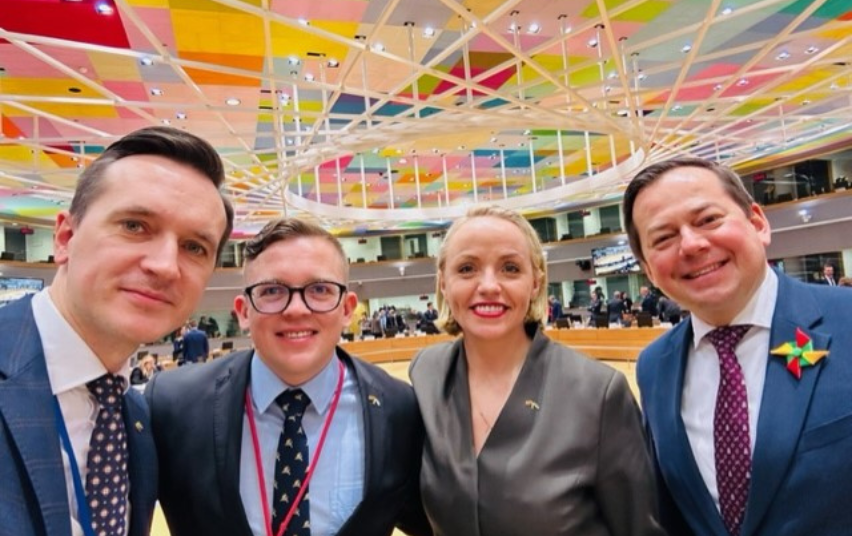
Vice-Minister of Justice, Gabija Grigaitė-Daugirdė, participated in the EU Justice and Home Affairs Council, which places much emphasis on the search for new legal instruments in the context of Russia's military aggression in Ukraine.
The establishment of the International Centre for the Prosecution of the Crime of Aggression against Ukraine (ICPA) in The Hague is one of the most important steps taken so far towards the establishment of a special international tribunal”, stressed Ms Grigaitė-Daugirdė. Since the outbreak of the war in Ukraine, it has been crucial to promptly launch investigations into the crimes committed. But today, one year after the start of the war, it is time to take the remaining steps to bring justice for Ukraine.
The Council also keeps discussing progress in the application of sanctions for violations of the European Union's restrictive measures, asset recovery and confiscation.
The EU Council intends to make a decision on Council conclusions on the EU Charter of Fundamental Rights and the involvement of civil society.
According to Ms Grigaitė-Daugirdė, Lithuania supports the Council Conclusions, which underline the importance of protecting, supporting and empowering civil society organisations and human rights defenders in order to contribute effectively to the application of the Charter and the protection of fundamental human rights throughout the European Union.
Our country involved non-governmental organisations (NGOs) to initiate active discussions on the implementation of the recommendations made during the review of the Universal Declaration of Human Rights. The discussions are aimed at strengthening dialogue with NGOs and civil society. Accessibility of policy initiatives and draft legislation to NGOs and opportunities to become more actively involved in these processes, as well as ensuring funding for NGOs, are among the most important factors in ensuring the protection of human rights and freedoms, especially in view of the added value generated by NGOs in crisis situations, as well as the great need for cooperation with NGOs and civil society in law-making and its benefits,” said Ms Grigaitė-Daugirdė.
Discussions are also held on measures to combat racism and anti-Semitism.
“Lithuania makes effort to raise public awareness of the fight against all forms of racism and anti-Semitism. We condemn all forms of discrimination based on race, nationality and religious beliefs and seek to ensure appropriate legal response to such acts. We pay particular attention to the provision of support, including free legal aid, to victims. In order to encourage society not to tolerate hate crimes, a special online platform has been set up in Lithuania where individuals can report such crimes to NGOs or the police and get help,” noted Ms Grigaitė-Daugirdė.
EU Ministers of Justice also discuss the threats posed by organised crime related to trafficking in narcotic drugs and psychotropic substances, and measures to prevent such offences.
They also discuss the obstacles of access to justice, ways to overcome them, measures to enable participants in judicial proceedings to exercise their procedural rights effectively. Other issues addressed include the transparency of the judiciary and public confidence in judicial institutions, the role of digital technologies for the efficiency of the legal system.
Last updated: 27-12-2023
Related news:
R. Tamašunienė: Lithuanian–Irish cooperation is important in preparing for the EU Presidency