

The Minister of Justice at the Council of the EU: protection of historical memory is a matter of democracy and security
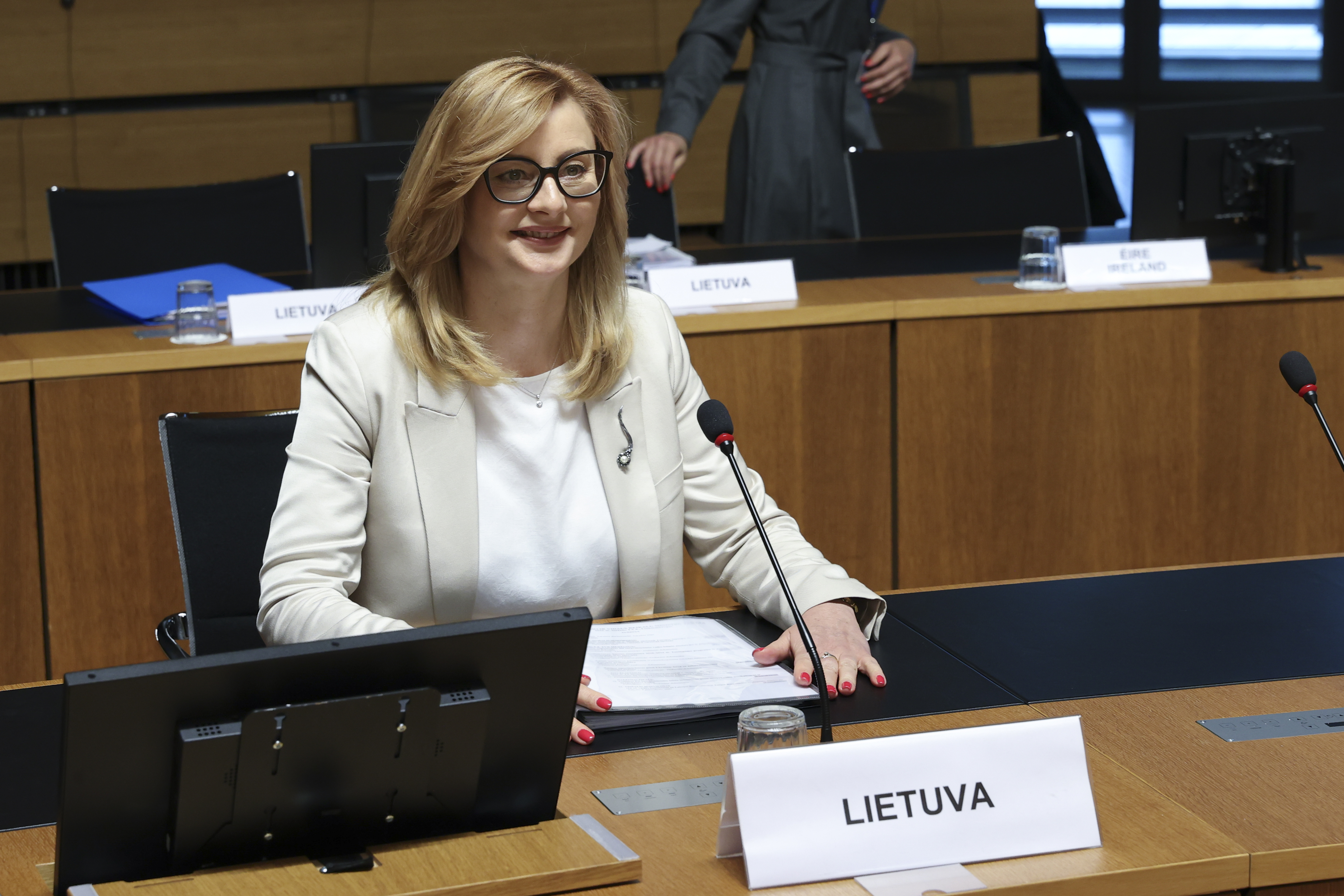
Minister of Justice Rita Tamašunienė participated at the meeting of the Justice and Home Affairs Council of the European Union. The Council focused primarily on the support for Ukraine, the Regulation on the cross-border recognition of parenthood and the continued funding of EU justice systems.
The Council agreed on its general partial negotiating position on the new Justice programme 2028–2034, which aims to strengthen an effective, accessible, resilient and digitalised EU area of justice based on the rule of law, mutual recognition and trust.
The Minister welcomed the fact that, at the initiative of Lithuania, the aspect of historical memory is also reflected in the Justice Programme.
“Authoritarian regimes are increasingly manipulating history to justify aggression, evade responsibility and weaken democratic societies, therefore, the protection of historical memory is a crucial part of our shared commitment to defend EU values,” the Minister emphasised.
The Council also discussed progress toward holding russia accountable for the international crimes committed in Ukraine. The Minister stressed the necessity to maintain the continued attention of Europe on this issue and to accelerate the implementation of the international accountability mechanisms.
“The brutal crimes committed by the aggressor in Ukraine continue. We must keep joining forces to ensure that the aggressor is held accountable and that the international order based on rules is restored. A united and resolute EU is the strongest guarantee of security and lasting peace in Ukraine is only possible by working together,” stated Ms Tamašunienė.
During the discussion on the Regulation on the cross-border recognition of parenthood, the Minister underlined that the proposed regulation could significantly contribute to the ensuring of the protection of children’s rights and the strengthening of legal certainty in cross-border situations. The position of Lithuania is that the regulation should not change the national rules on the establishment of parenthood.
Last updated: 11-06-2026
Related news:
R. Tamašunienė: Lithuanian–Irish cooperation is important in preparing for the EU Presidency